

Contact us for more info or a quote today!
#aedfinancing #smallbusiness #cpr #aha
- Ginger Davis
Heartland CPR, llc
405-603-6666
www.HeartlandCPR.com
Heartland CPR CPR and FIRST AID training without the hassle... At our place or yours! Oklahoma City's premier AHA training site, servicing the OKC metro area and state of Oklahoma


There are four nationally defined levels of EMS professionals: Emergency Medical Responder (EMR or First Responder), Emergency Medical Technician (EMT), Advanced Emergency Medical Technician (AEMT or Intermediate) and Paramedic (sometimes categorized as EMT-P). One can work their way through the ranks of EMS and often do.

In 1947, Dr. Claude S. Beck successfully used defibrillation therapy and saved the first human life, a child 14 years whom was undergoing cardiac surgery for a heart defect.
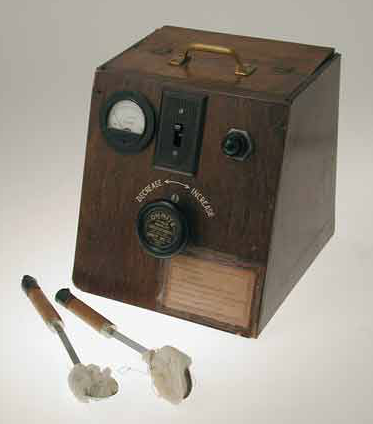
In the 1930s Claude Beck perfected operations to improve heart circulation. When he performed cardiac surgery, the heart sometimes went into ventricular fibrillation. (Heart muscles fibrillated, or twitched and contracted rapidly, disrupting the normal rhythmic heartbeat.) Beck could massage the heart, but this did not always stop the fibrillation and the patient would die on the operating table. Desperate for a remedy, he learned that a colleague at Western Reserve, the physiologist Carl J. Wiggers, had maintained circulation in laboratory animals by manual massage of the heart, followed by electrical defibrillation at a suitable time. Beck concluded that using electric shock to counteract fibrillation and restore normal heart rhythm would work for humans, too. In 1947 he successfully revived a patient for the first time. Subsequently, patients were resuscitated outside the operating room as well; and finally, massage and defibrillation across the intact chest have made cardiac resuscitation available at any place or time. Defibrillators have since been used daily in hospital emergency rooms and EMS units across the country.


The six points on the EMS Star of Life...in a clockwise rotation starting from 12 o'clock position:
1. Detection – The first rescuers on the scene, usually untrained civilians or those involved in the incident, observe the scene, understand the problem, identify the dangers to themselves and the others, and take appropriate measures to ensure their safety on the scene (environmental, electricity, chemicals, radiation, etc.).
2. Reporting – The call for professional help is made and dispatch is connected with the victims, providing emergency medical dispatch.
3. Response – The first rescuers provide first aid and immediate care to the extent of their capabilities.
4. On scene care – The EMS personnel arrive and provide immediate care to the extent of their capabilities on-scene.
5. Care in Transit – The EMS personnel proceed to transfer the patient to a hospital via an ambulance or helicopter for specialized care. They provide medical care during the transportation.
6. Transfer to Definitive care – Appropriate specialized care is provided at the hospital.

The nurse cap originated in the early Christian Era as a head covering for deaconesses that cared for the sick. It is patterned after a nun’s habit to keep the hair neatly in place. Religious organizations often provided nurse training to nuns, who acted as the first groups of organized nurses in medieval Europe. This type of headdress was worn to show that they worked in the service of caring for the sick. The head covering was more like a veil, but it later evolved into the nursing cap in the Victorian era. During the 1800's head covering evolved into the more familiar white cap that was first used by Florence Nightingale. Although this clothing item has long been phased out as it is known to carry pathogens, some countries still use this as part of the female nurses’ outfit. Present day, the nursing cap is usually worn only for ceremonial purposes.


